















 On April 29, 2026, the United Kingdom officially passed the Tobacco and Vapes Act after it received Royal Assent. The law is designed to create a “smoke-free generation” by permanently preventing younger people from legally purchasing tobacco products.
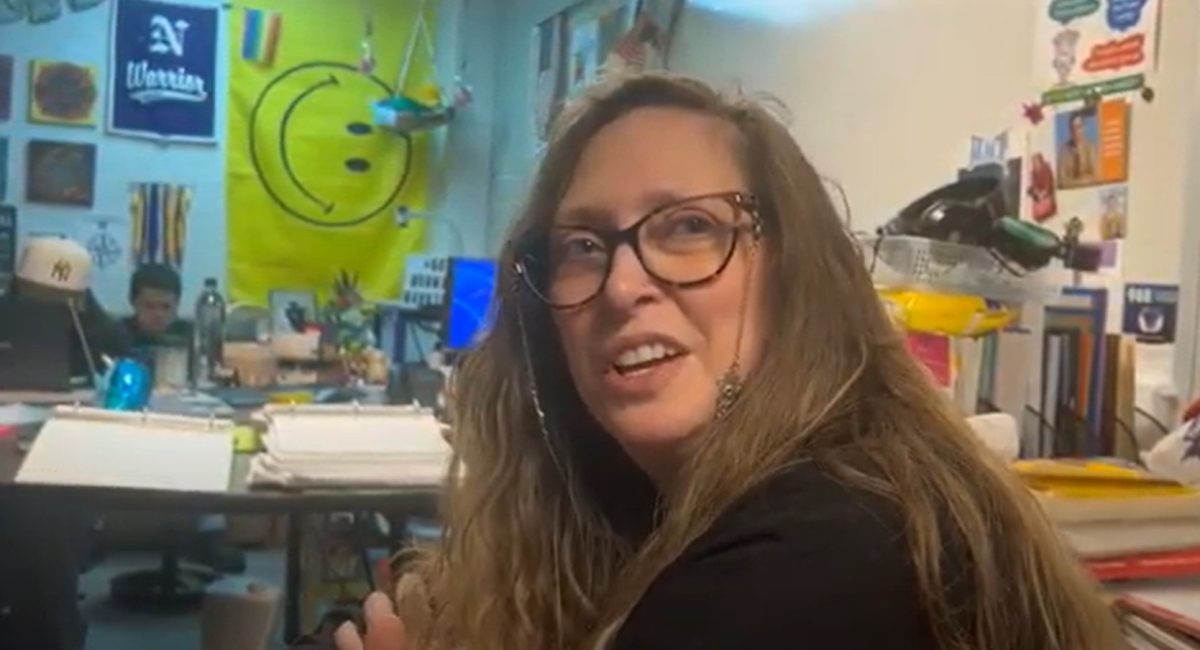
Ryan Kennedy, the health teacher at Norwalk, said that while cigarettes are especially harmful, nicotine addiction among young people would likely continue to be a problem even if smoking rates decline.
“We do know that cigarettes have a lot of things that are not good for our health and cause extra harmful effects, so I think getting rid of cigarettes altogether is the correct move,” Kennedy said. “It would be interesting to see how it would play out here in the United States, just with our history of trying to outlaw substances and how that has gone for the government and society.”
Under the law, anyone born on or after Jan. 1, 2009, will never legally be able to buy cigarettes or other tobacco products in the UK. Instead of setting a fixed smoking age, the law gradually increases the legal age each year for that generation. The legislation also introduces stricter regulations on vaping products, including advertising, packaging, and youth marketing.
The UK government reported that the goal is to reduce smoking-related diseases such as cancer, heart disease, and stroke while lowering long-term healthcare costs.
How could this affect students?
When asked how a law similar to the United Kingdom’s Tobacco and Vapes Act could affect students in schools, Kennedy said many students would feel the impact directly because nicotine products are already common among teenagers.
“I think students in schools would have a unique experience because whether we want to admit it or not, some students are using those products, so it would affect them very directly,” Kennedy said. “I think the ban is a step in the right direction as far as cigarettes go. I don’t think it addresses the issue of nicotine as a whole, which I think is the bigger pressing issue.”
Brad Criswell, Norwalk’s school resource officer, was asked if Iowa ever adopted a law similar to the UK’s tobacco and vape bill, how would that changer enforcement for local police?
“Any type of enforcement that I would do in the schools, for our youth would not change, because they already fall under that code where that can’t possess those things or use those things,” Criswell said. “It’d just be a matter of the code that it would be written under. In terms of adults that is where that would come into play, it would probably be similar to any kind of illegal drug.”
Tom Scallon, Norwalk’s assistant principal, said he thinks that there would be a positive impact if Iowa adopted a law about tobacco products.
“I think it’d be much more difficult to obtain vapes,” Scallon said. “Unfortunately, in doing this job, I found out there a lot of people that will buy, vapes, or cartridges, and sell them.”
Scallon said that it would be a black market, and anytime you ban something – it goes way back to Prohibition – there’s always a black market.
If lawmakers were considering making this law, educators, administrators, and law enforcement said they have a perspective they wanted them to know from someone who has to live with these issues.
“If they want to really address a situation, then they need to be stricter on what they want to do,” Scallon said, “I believe there should be strong laws around vapes, my issue is the black market and what they will do for that. How do they address that?”
Scallon said there are possible solutions to this problem.
“One way to fix this problem is to make it so that only certain stores can sell them,” Scallon said. “Like they do with marijuana, you must be a certified dealer of that, go through steps.”
Scallon said that this doesn’t mean that a black market won’t exist. But take it out of gas stations, and make it more difficult for a black market to form, that might help decrease the likelihood of a black market happening.
Kennedy said it’s important to have honest and trustworthy people in charge of enforcement.
“They should make sure they have really good systems in place,” Kennedy said.
One thing that Kennedy said we should try to prevent is people coming into stores with fake IDs, which we have seen before with alcohol.
“It creates more loopholes and makes it more challenging to enforce that way,” Kennedy said. “Educators see all of the future lawmakers and people that are going to be out in the world one day, so understanding that they need to be able to see improvement from these laws is really important.”
Officer Criswell said that lawmakers should just make sure that they do their homework, they need to understand how it could play out, and know that we don’t have to mirror the UK in what they are doing, it can be different state to state. He said they need to be ready to make changes if there are obstacles that come up with the law.
“They need to understand what it could look like,” Criswell said. “They need to know what the backup plan is if we don’t get it how we want.”