
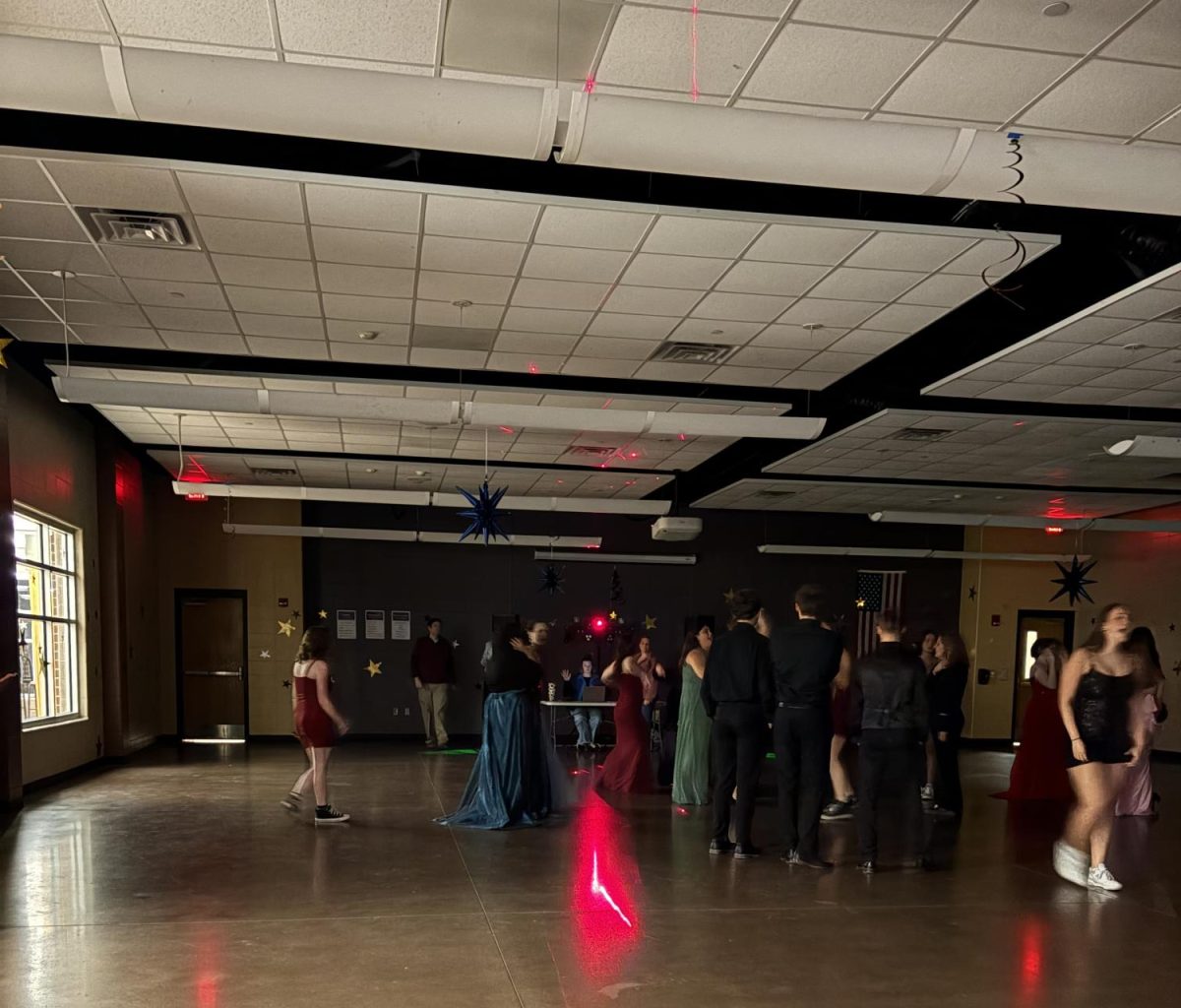



Norwalk High School’s Winter Formal, held on Jan. 31, 2026, brought students together for an evening of music and dancing, with freshmen making up the majority of attendees. While the event ultimately built momentum over the course of the night, it began with a noticeably slower pace.
When the doors first opened, small groups of students gathered along the edges of the room, talking among themselves and taking photos. The dance floor remained mostly empty as students hesitated to be the first to step into the spotlight. Without a large crowd to set the tone, many said they felt reluctant to begin dancing.
Several students described the opening stretch of the evening as “lame” or “boring,” noting that the energy had not yet picked up.
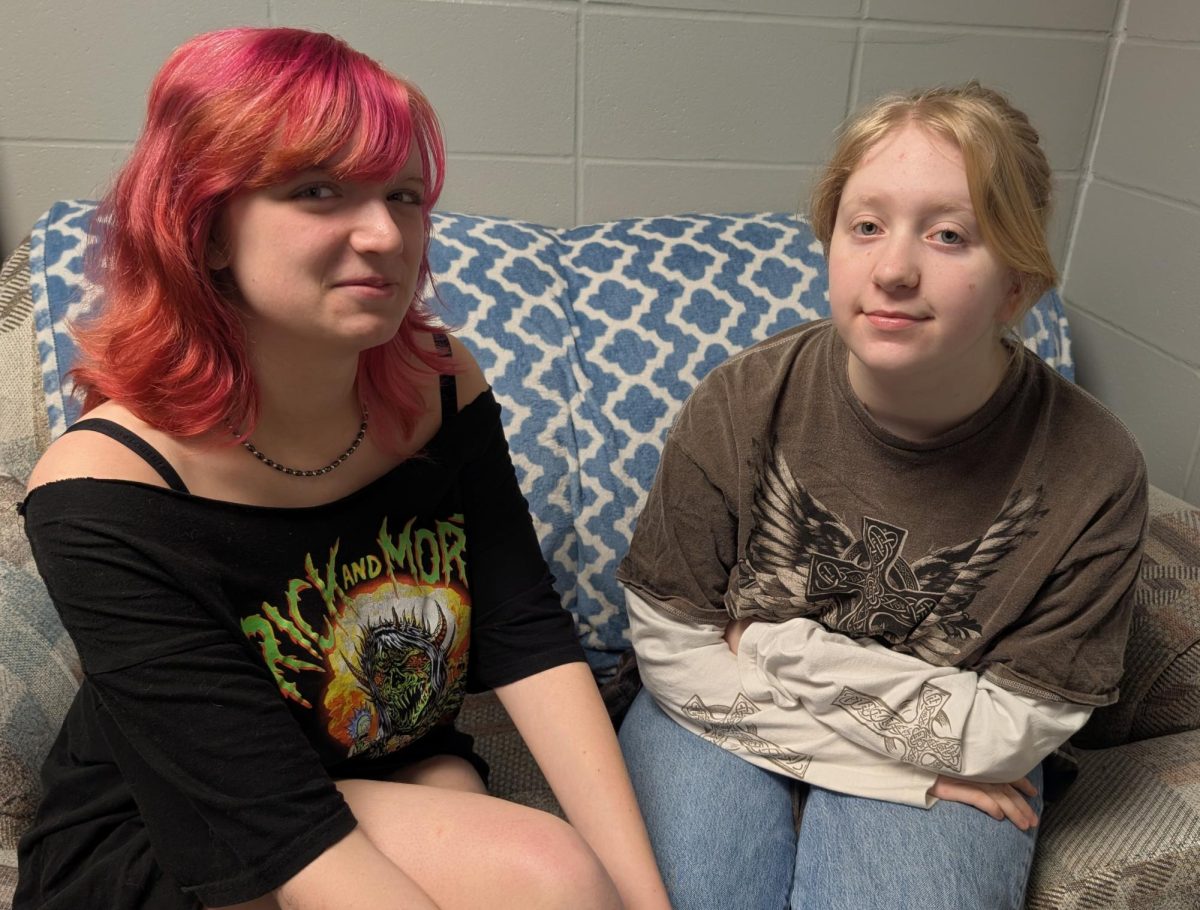
“We need more people here to start dancing,” said senior Claire Hinders.
Several students nearby said they agreed with her, but others were hesitant.
As more students flowed to the floor, they started enjoying the dance more.
That hesitation created a ripple effect: as long as the dance floor stayed empty, students were less likely to join in. However, as the evening progressed, the mood gradually began to shift.
Attendance steadily increased as more students arrived later in the night. The music volume was raised, and the DJ played a mix of popular songs that were more upbeat. With the addition of upperclassmen and a larger crowd overall, the dance floor slowly began to fill. What started as scattered groups soon turned into a more unified crowd, with students dancing together and cheering when familiar songs played.
Freshman Briella McCutchan said she was surprised to see older students in attendance.
“I thought that they don’t usually go to Winter Formal,” McCutchan said.
The upperclassmen were the ones out on the dance floor in a circle, trying to get more people to dance.
In addition to commenting on the atmosphere, some students reflected on the event’s promotion. Ellen Hinders suggested that earlier communication and stronger advertising efforts could improve awareness and turnout in future years. According to Hinders, some students were unaware of the dance until shortly before it took place.
“Just more advertising and telling people when it is — not one week before it — because many people didn’t even know it was happening,” Hinders said. “People just need to hype it up more.”
Students said that additional reminders, announcements, or social media promotion might help generate excitement ahead of time, potentially leading to a stronger start at future events.